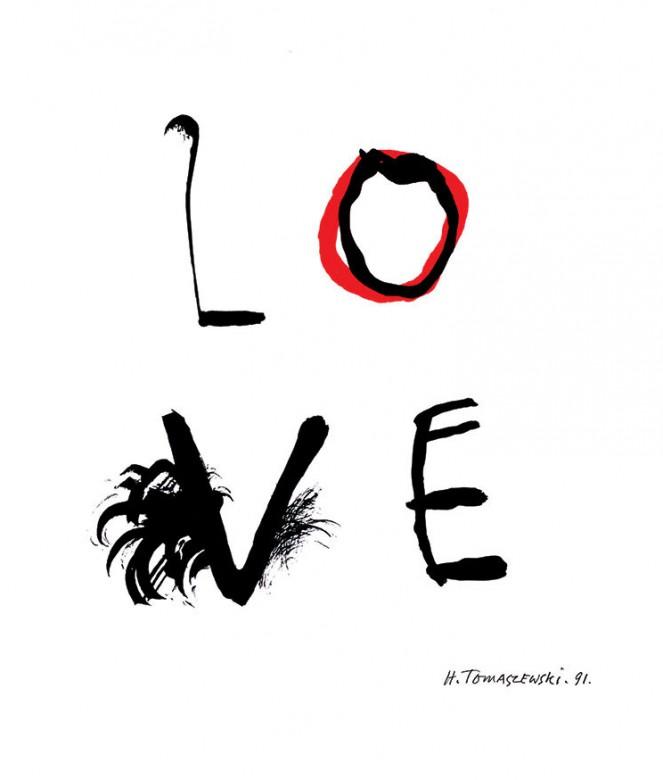
The first thing you notice about a Polish poster art is usually the color. Then something else catches your eye: a face where you didn’t expect one, letters drawn by hand, an image you need a moment to figure out.
We love that about them. The bold colors, playful lettering, and slightly strange sense of humor have been a source of inspiration as we’ve built Matka Wódka. And once you know a little about their history, there’s even more to appreciate.
The history behind the Polish Poster School
After World War II, Poland came under a Soviet-backed communist government. The state had a say in what people could make, publish, and see in public. In the early postwar years, many posters were used for propaganda and followed the officially approved style of Socialist Realism.
But there were also posters for films, plays, concerts, and exhibitions. These gave artists a little more room to try things. By the 1950s, they were making work full of imagination, humor, and unexpected images. It became known as the Polish Poster School.
Despite the name, there wasn’t one set of rules or a style everyone followed. Artists including Henryk Tomaszewski, Jan Lenica, Roman Cieślewicz, and Jan Młodożeniec each brought their own way of seeing things. A film poster might give you a feeling for the story without showing its stars. A theater poster might say almost everything through one curious image.
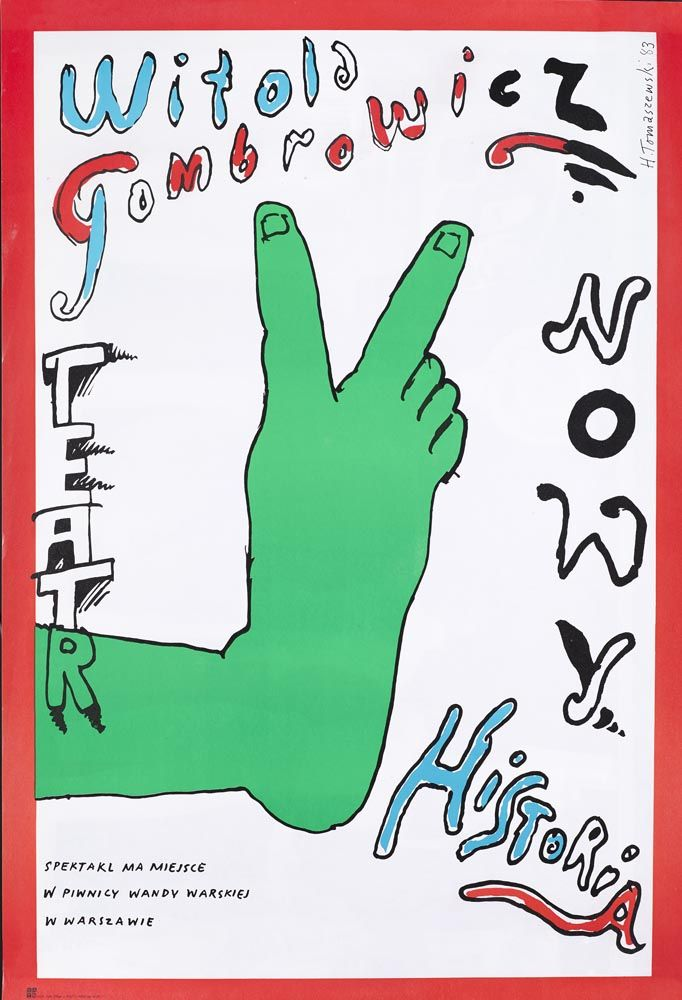
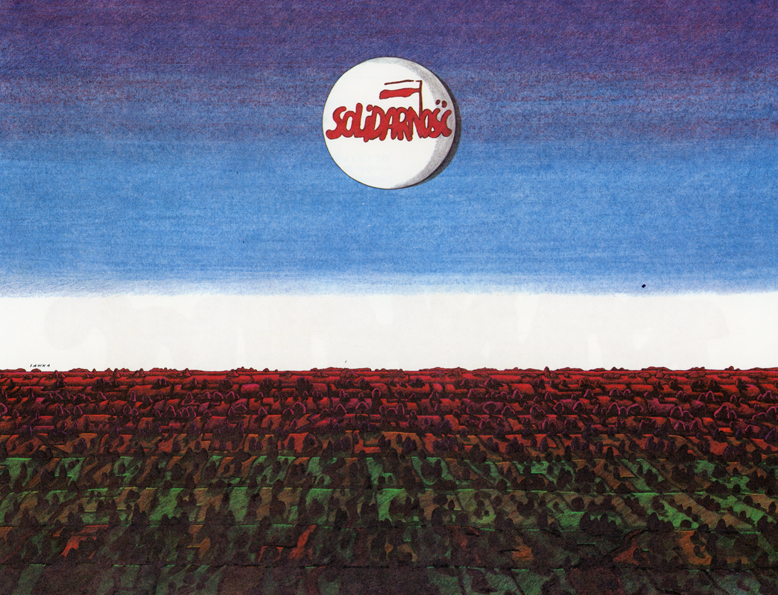
There was a complicated relationship behind all this creativity. The state paid for posters and helped bring Polish artists’ work to audiences abroad, while also controlling public culture. Some artists made official propaganda. Humor, symbolism, and images with more than one possible meaning left room for personal expression, too.
It’s tempting to imagine every unusual image as a hidden political message, but the story isn’t quite that simple. What stays with us is how much these artists managed to express within the limits around them. A poster could announce a play and still give someone walking past a reason to stop and think.
Their work became known around the world. In 1968, the Poster Museum at Wilanów opened in Warsaw, the first museum devoted to posters.
Why these posters still feel alive
Spend a little time looking at Polish posters and you start noticing the small things. A crooked letter. An unexpected color. Something that makes you smile before you understand why.
We’re drawn to that sense of personality. The artist’s hand feels present. The poster trusts you to bring your own imagination to it. Even decades later, these posters still feel like something that might catch your eye on your walk home.
How Polish poster art inspires Matka
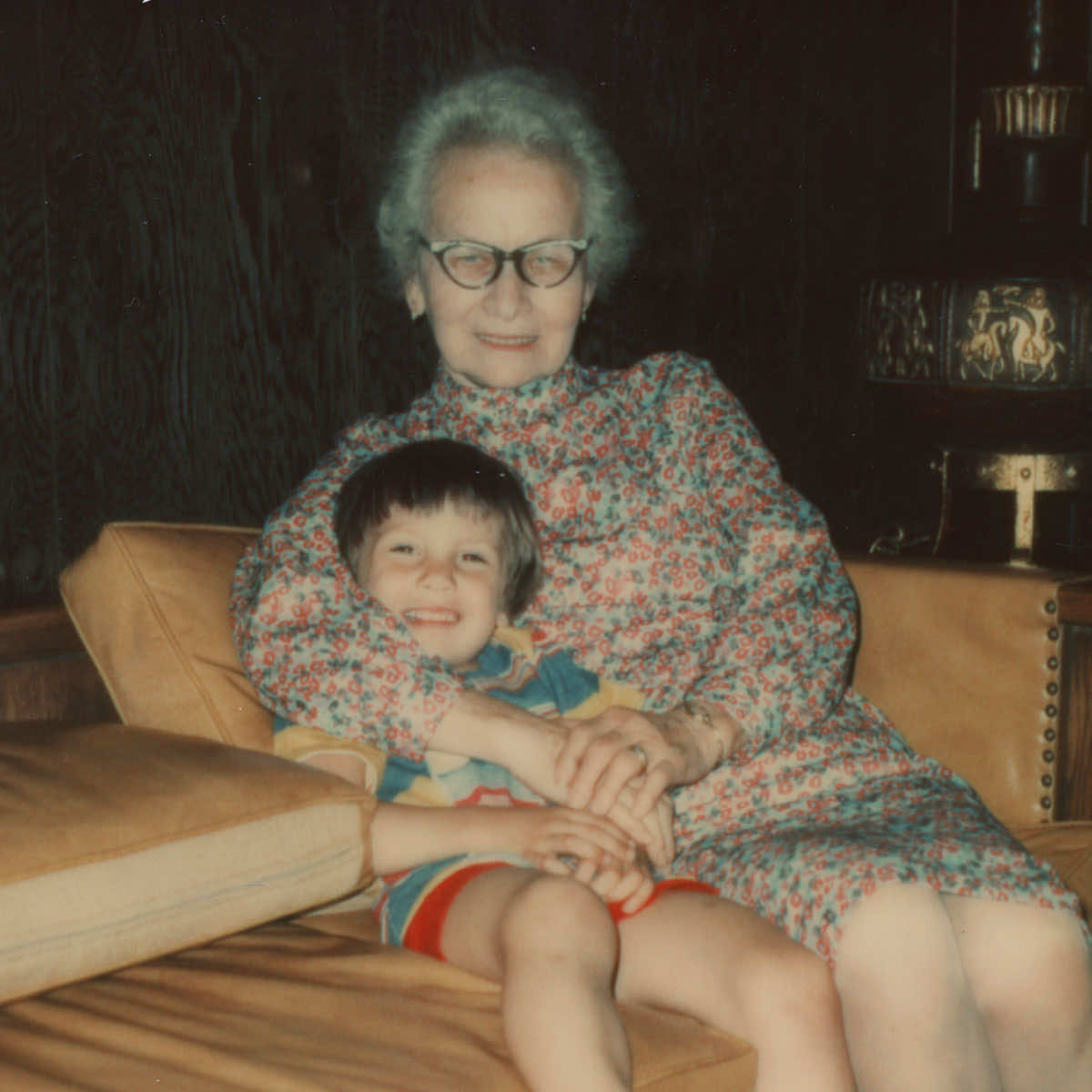
Matka’s name comes from our family’s Polish roots. Matka means “mother,” and it’s what we called Mary, our family’s matriarch. She left Poland for the United States and built a life for us there.
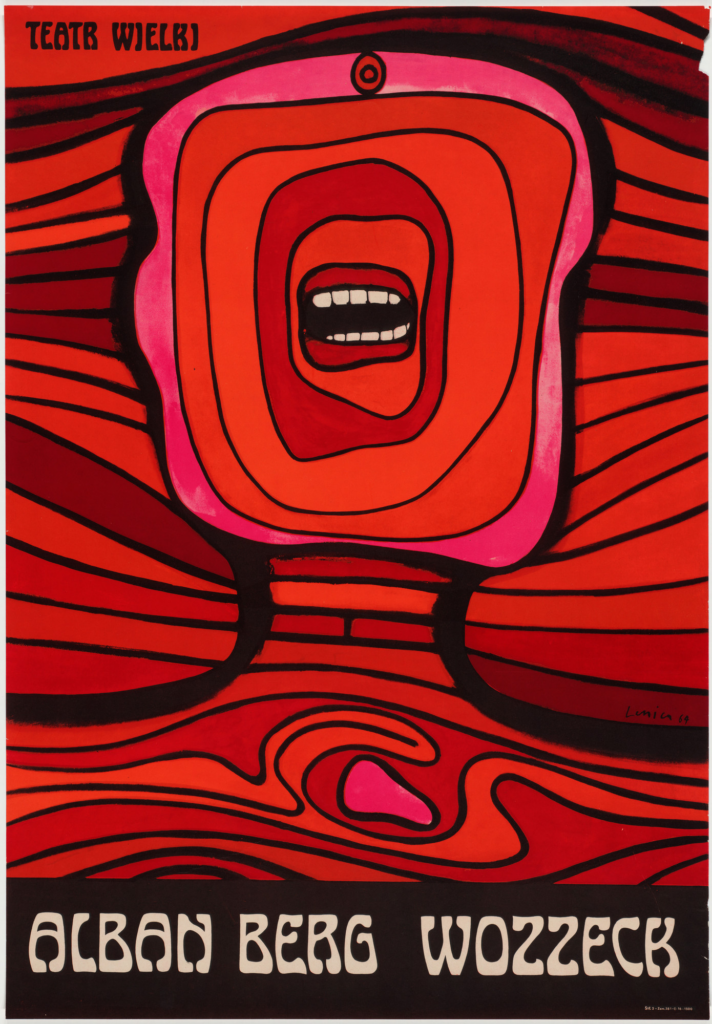
When we began creating Matka, we wanted it to feel connected to her story and the place she came from. Polish posters helped us picture what that could look like. We loved the way they used color, the personality in their lettering, and how they could be thoughtful and playful at the same time.
That feeling has found its way into Matka’s branding. We want the things we make to have warmth and character, something you enjoy spending a little time with.
Sources and further reading
We learned from the research and collections of the Poster Museum at Wilanów, Staatliche Museen zu Berlin’s exhibition on the Polish School of Poster Art, and Zachęta National Gallery of Art’s writing on Henryk Tomaszewski.